The eduPAD Mobile Learning Project: A Synthesis of Singapore’s Early 1:1 Computing Initiative
1. Strategic Genesis and Policy Context
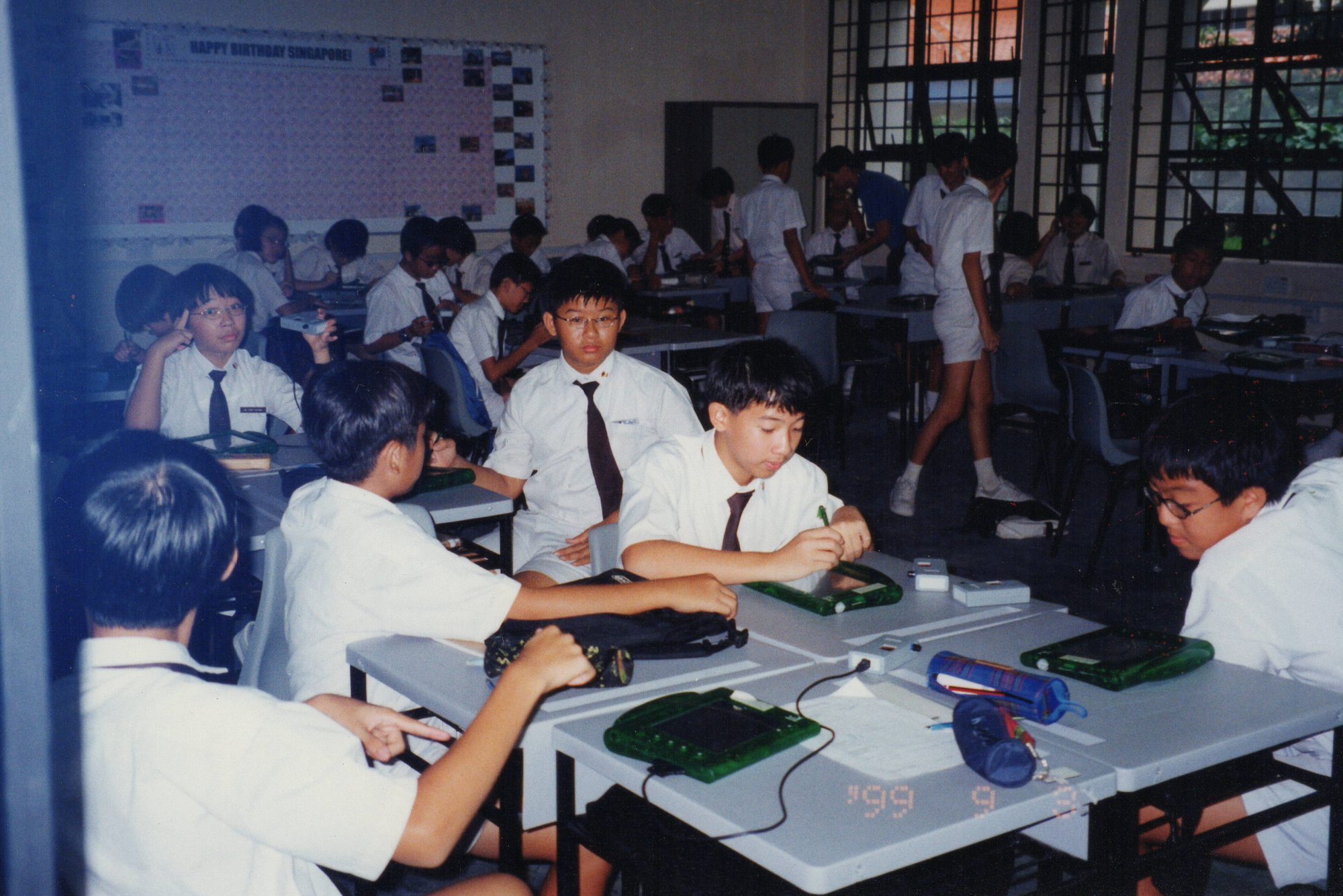
The eduPAD project, launched in September 1999, represented a pivotal operationalization of Singapore’s long-term vision to institutionalize information technology (IT) within the national fabric. This initiative was a direct outgrowth of the IT2000 Masterplan ("Vision for an Intelligent Island") and the First Masterplan for IT in Education (mp1). Strategically, these frameworks aimed to exploit the convergence of telecommunications and computing to maintain a "flexible and adaptable" workforce capable of navigating the knowledge-intensive occupations of the Information Age.
The financial and developmental catalyst for eduPAD was the S$200 million IT Cluster Development Fund (CDF), which birthed several foundational "IT2000 Flagship Projects." These preceding initiatives established the necessary R&D trajectory:
- Student’s and Teacher’s Workbench (STW): Launched in 1996 for secondary schools, this project focused on providing one-stop access to multimedia resources for lower secondary science, enabling teachers to monitor performance and communicate electronically.
- Accelerating IT in Primary Schools (AITP): Implemented across primary schools, this project introduced computer courseware to facilitate less structured, exploratory learning environments outside the formal syllabus.
As articulated in the 1995 International Conference on Computers in Education (ICCE), the goal was to sharpen thinking and problem-solving skills, ensuring students could "discern between the relevant and the inappropriate" while manipulating information in a digital landscape.
2. Governance: The SCHIPS Public-Private Consortium
The governance of the eduPAD project was architected through the SCHIPS (Singapore Childhood Interactive Personalized Systems) consortium. This body exemplified a sophisticated "government-industry partnership strategy" designed to catalyze new applications that would justify the massive public investment in the National Information Infrastructure (NII).
| Member Organization | Sector / Role |
|---|---|
| Ministry of Education - Educational Technology Division (MOE-ETD) | Public Sector / Educational Policy and Curriculum Alignment |
| National Computer Board (NCB) | Public Sector / Infrastructure Promotion and Program Management |
| Kent Ridge Digital Labs (KRDL) | R&D / Technical Innovation and Software Development |
| Chartered Electronics Industries (CET) | Private Sector / Hardware Engineering and Manufacturing |
| National Institute of Education (NIE) | Academic / Pedagogical Evaluation and Research |
| Dunman Secondary School | Education / Pilot Implementation and User Testing Site |
Beyond mere oversight, the SCHIPS consortium was a strategic mechanism to ensure that high-bandwidth applications like the eduPAD provided the "long-term competitive advantage" necessary to validate the nation-wide broadband network infrastructure.

3. Technical Architecture and Design Specifications
The eduPAD was architected as a mobile node within the Singapore ONE ecosystem—a nation-wide, ATM-switched broadband backbone. Users accessed this network via cable modems or ADSL telephone lines, providing the high-speed interactive multimedia capacity required for advanced digital courseware.
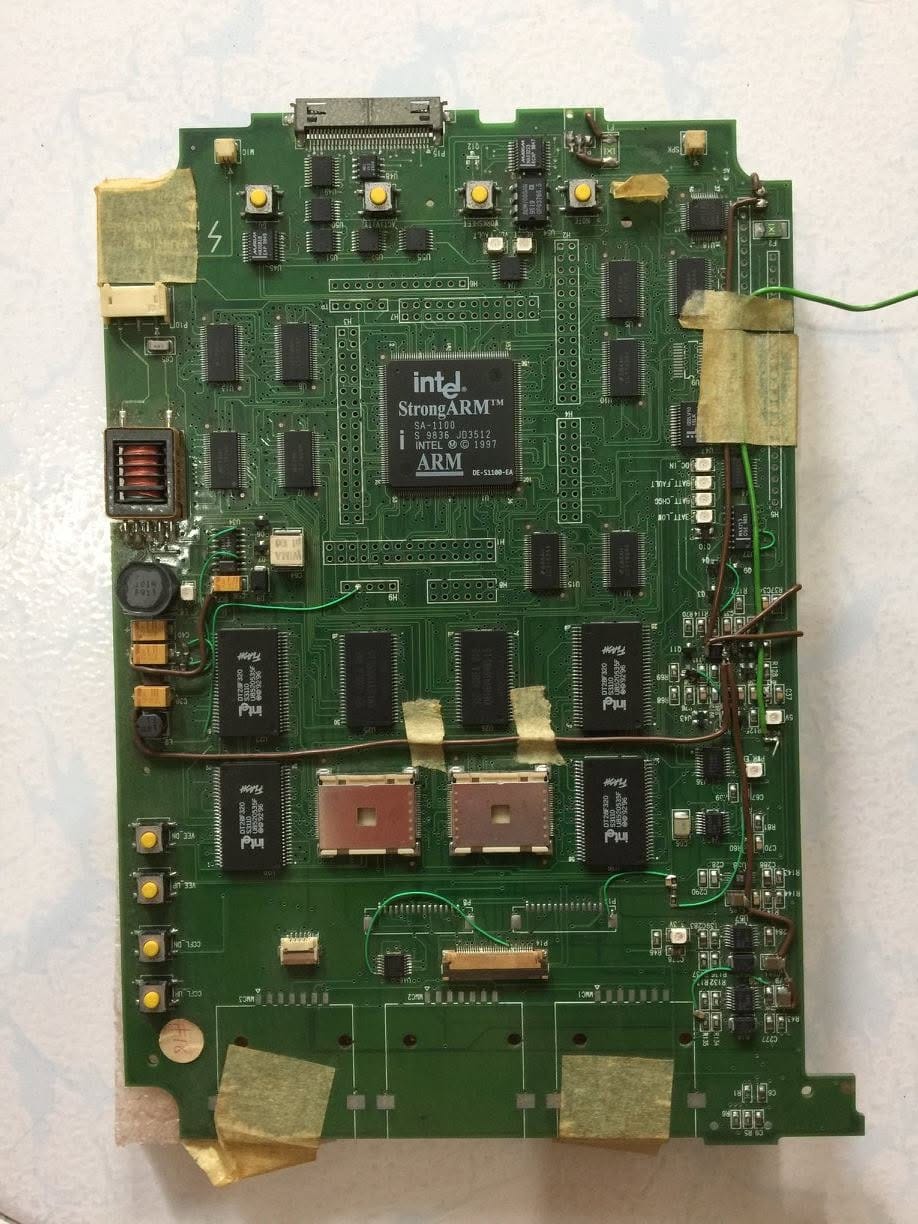
Hardware Profile
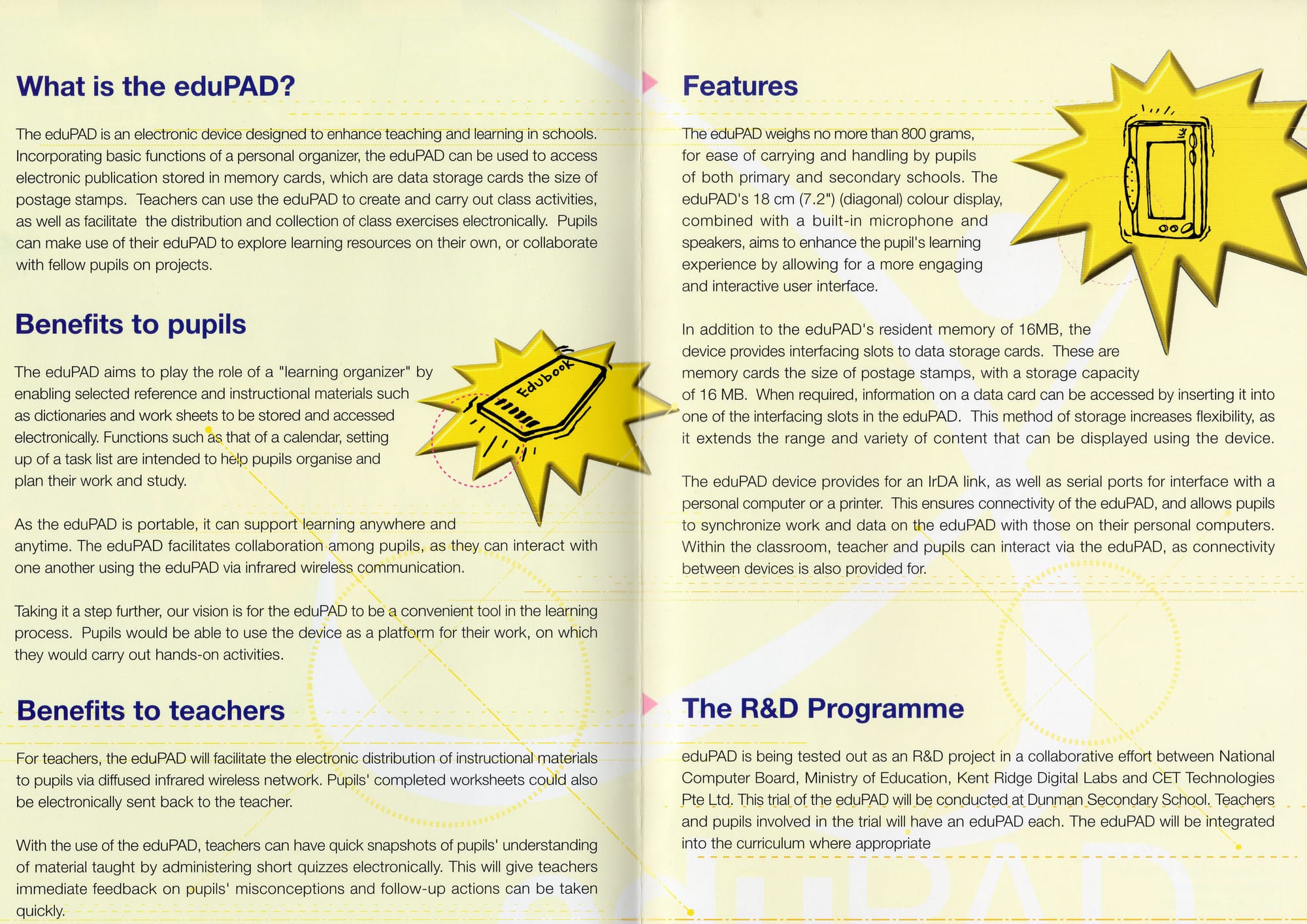
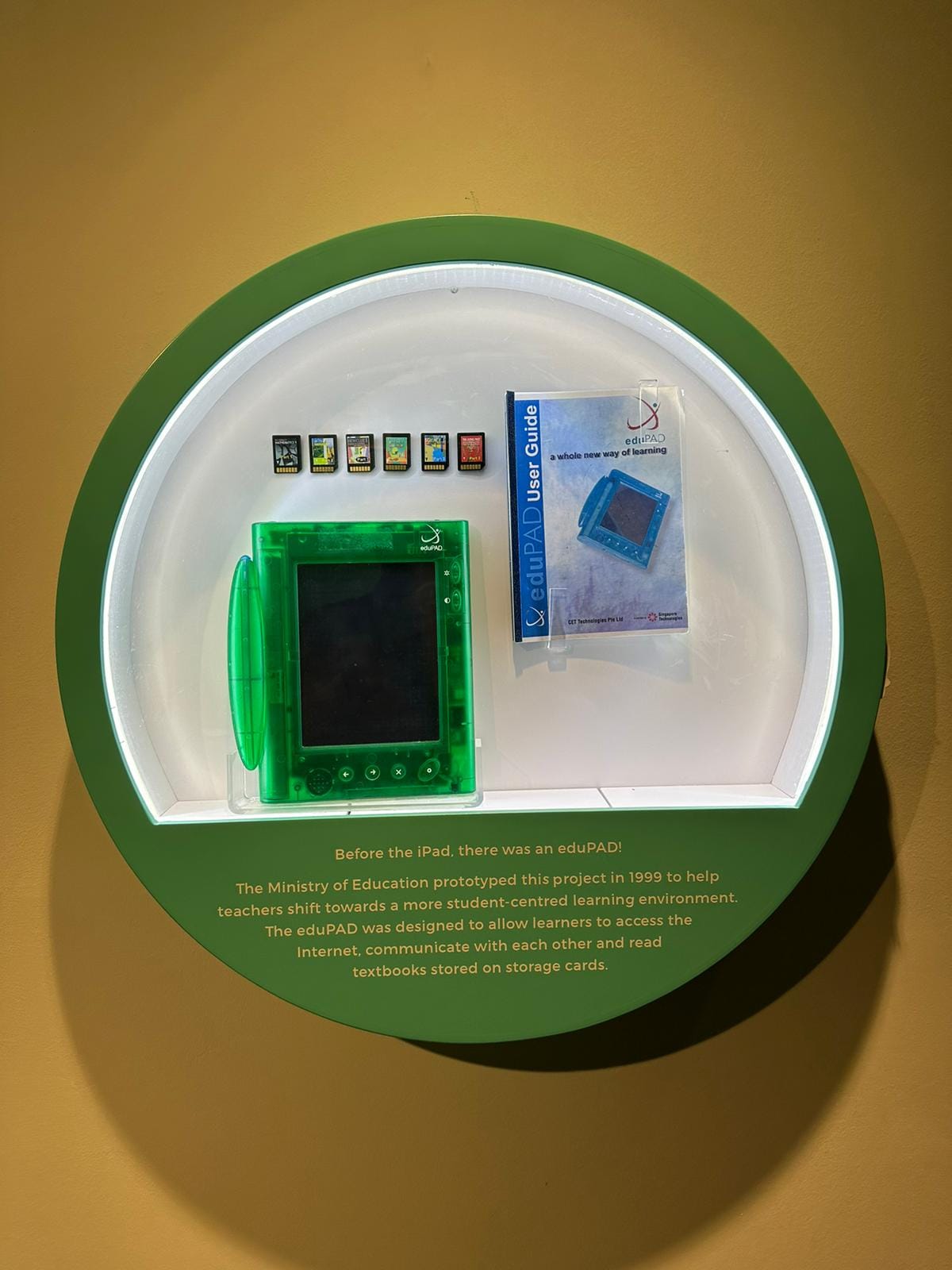
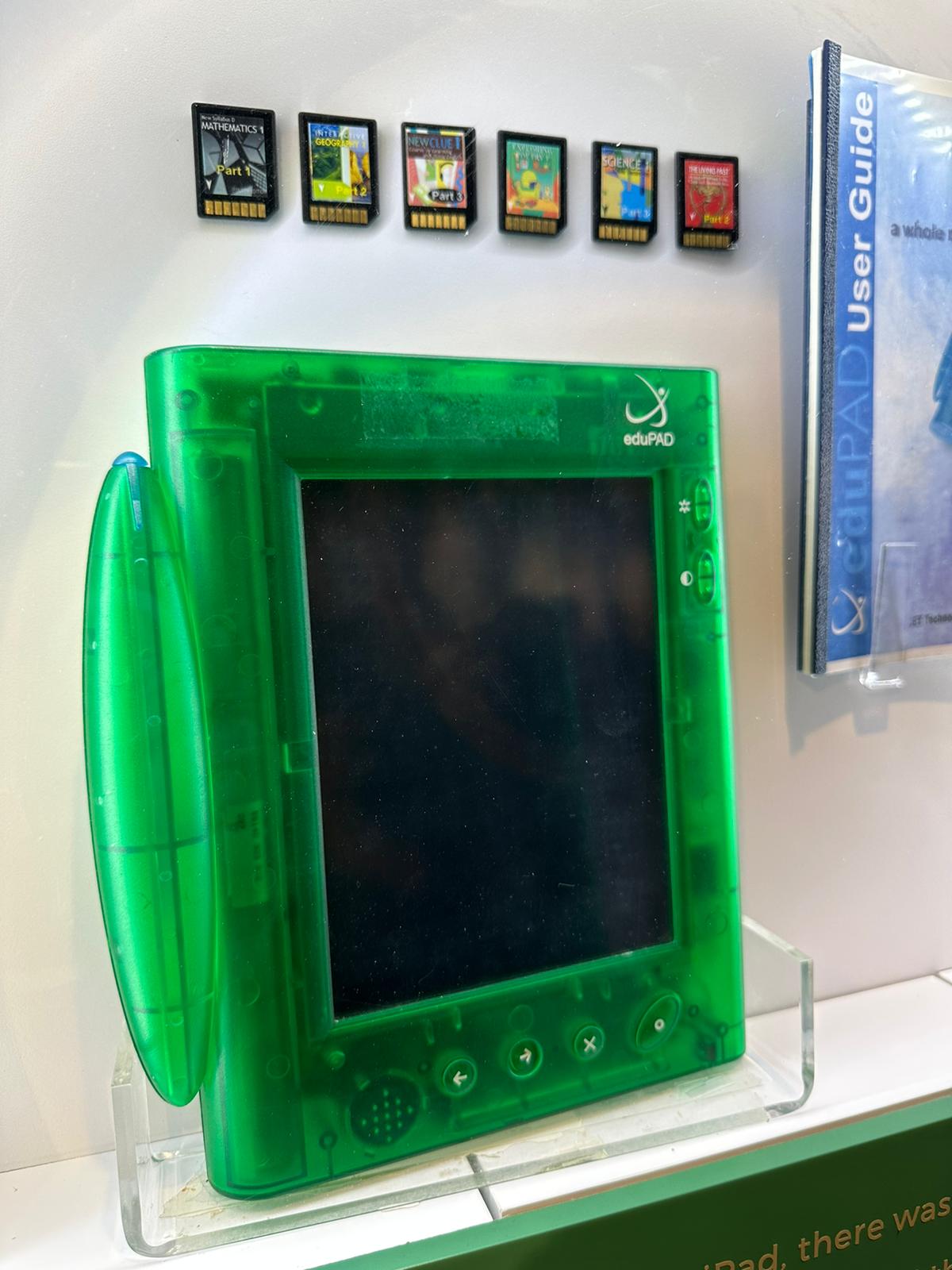
- Form Factor: A handheld device weighing 800g, intentionally designed to facilitate the "overcoming of constraints of space and time" in learning.
- Display: 18-cm VGA display.
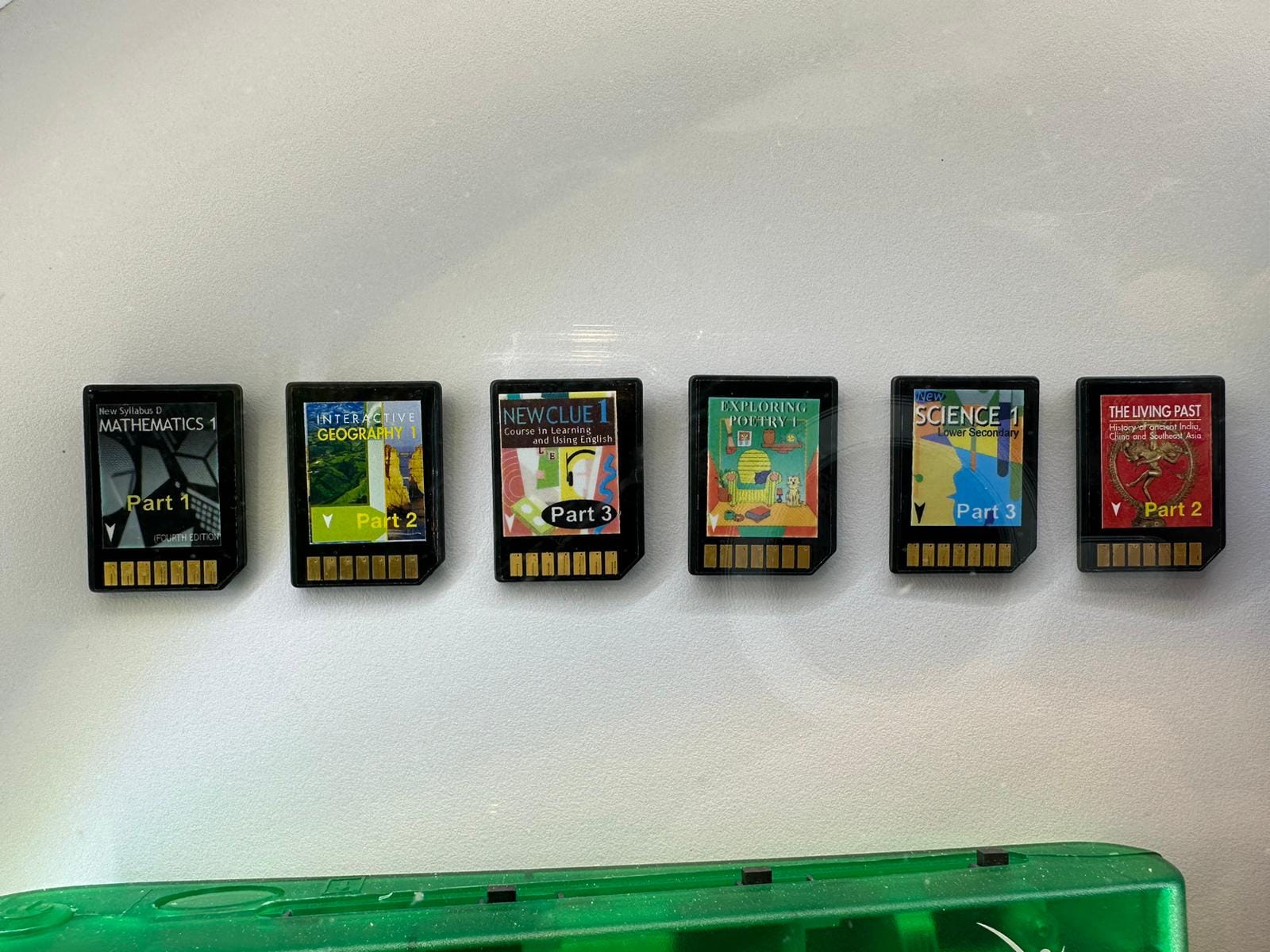
- Memory: 16MB RAM supplemented by expansion cards.
Connectivity and Infrastructure The device utilized a unique dual-wireless architecture to manage asymmetrical data loads:
- Downlink (Infrared/IR): Leveraged IR ceiling satellites for high-bandwidth data distribution, such as video clips and complex "eduBook" courseware.
- Uplink (Radio Frequency/RF): Utilized RF for lower-bandwidth interaction, such as student-to-teacher polling, text-based queries, and administrative tasks.
Software Ecosystem The environment was managed through three integrated layers: the Teacher Management Tool (TMT) for lesson delivery and monitoring, the Classroom Management Tool (CMT) for real-time interaction, and the eduBook digital courseware.
4. Empirical Evaluation: Findings from Dunman Secondary School
The National Institute of Education (NIE) evaluation at Dunman Secondary School provided critical data on the intersection of mobile hardware and classroom dynamics. These insights highlighted the "frictions" inherent in shifting from traditional to digital-first pedagogy.
Critical Findings
- The Hardware Integration Fallacy: Evaluators discovered that hardware provision is insufficient for transformation. The project necessitated a fundamental shift in the educator's role: transitioning from a traditional "storehouse of knowledge" to a "guide for independent learning."
- Device Interaction Patterns: The technology allowed for a shift toward independent pace, where students could follow their own paths and discover "new aptitudes." This move toward self-directed learning required students to develop higher-order skills in sourcing and manipulating information.
- Operational Frictions: Deployment was met with logistical challenges, including the imperative for extensive teacher training to ensure staff were "competent and comfortable" with the digital shift. Furthermore, administrators adopted a "cautious approach" to network access, implementing safeguards to prevent students from accessing "undesirable materials" on the open Internet.
5. Evolutionary Lineage and Modern Legacy
The eduPAD project was never intended as a final commercial product but functioned as a controlled policy experiment—paralleling the "Samsung-Tesco" logic of using market trials to gather essential R&D data for future national deployment. Its lineage is clearly visible in the evolution of Singapore’s edtech strategy:
- BackPack.NET: The immediate successor, which transitioned the focus toward tablet-based computing and Microsoft-integrated ecosystems.
- FutureSchools@Singapore: An initiative that scaled high-tech school environments to create seamless physical-digital learning spaces.
- Smart Nation PDLP: The contemporary Personal Learning Device Programme, which finally institutionalized the 1:1 student computing vision first piloted by eduPAD.
By serving as a "beta-test for the nation," the eduPAD project provided the foundational evidence required to move from experimental trials to the universal, high-speed, 1:1 computing environment that defines the Singaporean education system today.